


Table of Contents
- Why Supporting Independent Artists Through Fashion Matters
- How to Find Independent Clothing Brands and Designers
- Art-Inspired Clothing for Everyday Wear: What to Look For
- Verify That Your Purchase Genuinely Benefits the Artist
- Benefits of Buying From Independent Fashion Designers
- Support Independent Artists Without Buying Clothing
- Care, Repair, and Long-Term Ownership
- Frequently Asked Questions
Last Updated: October 16, 2026
Why Supporting Independent Artists Through Fashion Matters
When you buy from an independent artist through support independent artists fashion choices, your money goes directly to them, no middleman, no corporate markup.
At Superhot, supporting independent artists through fashion means choosing pieces that matter. Art-inspired clothing lets you wear creativity daily, investing in someone's craft, not just buying a shirt.
Mass-produced fashion treats clothing as disposable; independent artists treat it as wearable art, caring about materials, fit, and the story behind each design.
What This Guide Covers
We'll show you how to find independent designers, what to look for in quality, how to verify your purchase benefits the artist, and ways to support artists beyond buying clothing.
How to Find Independent Clothing Brands and Designers
The hardest part isn't finding independent designers. It's finding the right ones for your style.
Search Social Media and Creator Platforms
Instagram is the biggest platform for independent fashion. Search hashtags like #independentdesigner, #artistmade, and #designercollaboration, and follow designers whose work speaks to you, most link to their shop in their bio.
TikTok is a discovery engine for emerging designers, showing real people wearing real pieces so you can see how clothes fit and move. Pinterest surfaces mood boards and direct links to designer shops.
Check Independent Marketplaces and Collaborations
Some platforms exist specifically to support independent artists fashion by connecting emerging creators with customers. Shopify stores run by individual artists give you direct access. Art collaboration platforms connect emerging designers with manufacturers, real artists design, real production happens, and you get authentic artist-designed apparel.
Designer collectives share production costs and cross-promote, giving you better prices and wider selection. Pop-up shops and online markets happen seasonally, so follow independent fashion communities for new drops.
Art-Inspired Clothing for Everyday Wear: What to Look For
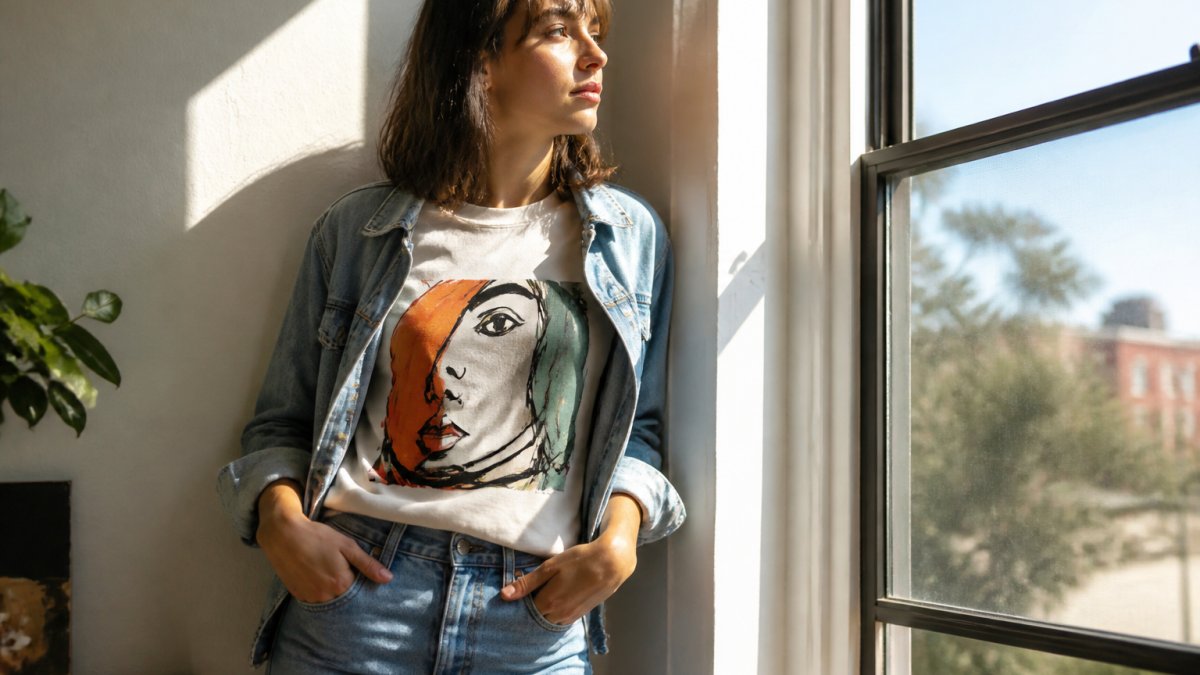
Art-inspired clothing works best when it fits your actual life, pieces you'll actually wear.
Quality, Craftsmanship, and Material Reuse
Check the materials first. Superhot pieces like the Light Colors Mona Lisa T-Shirt use 100% Airlume combed and ring-spun cotton, a premium material you feel immediately.

Examine the construction: check seams, reinforced stitching, side seams, and shoulder tape, which keep the shape intact after many washes.
Material reuse matters too. Some independent designers use deadstock or upcycled fabric, reducing waste, ask about their sourcing.
Unique Style and Design That Reflects Personal Expression
The whole point of independent fashion is uniqueness, you shouldn't see your shirt on ten other people. Look for designs that match your personal expression: artistic references if you love art, subtle graphics if you're minimalist, statement pieces if you're bold.
Independent designers often create limited runs, so you're wearing something most people don't have. Real artist-designed apparel tells a story, the Snow Washed Mona Lisa Oversized Cotton T-Shirt reimagines a classic artwork through a modern lens.

Verify That Your Purchase Genuinely Benefits the Artist
Most shoppers assume any 'artist-designed' label means the artist got paid. That assumption is often wrong. The label can describe a licensing deal, a one-time buyout, a print-on-demand upload, or a wholesale arrangement, each sends a very different amount to the creator. Here is how to tell them apart before you check out.
Understand the Four Common Payment Models
1. Direct-to-artist (best for the artist). The designer owns the shop, sets the price, and keeps the margin after payment processing and shipping.
**2.
3. Print-on-demand (POD) with an artist upload. The artist uploads a file to a platform like Printful, Printify, or Redbubble, which prints and ships each order.
4. Wholesale or consignment. A boutique buys at wholesale (typically 50% of retail) or takes pieces on consignment and pays the artist after a sale.
Questions to Ask Before You Buy
Email or DM the shop with three short questions. Serious artists answer within a few days.
- Who designed this, and do they receive a percentage of this sale? Vague answers ('our team') usually mean no individual artist is being paid.
- Where is it printed or sewn, and by whom? This tells you whether the artist controls production or drop-ships from a third party.
- Is this a limited run or an open design? Limited runs signal investment in the work; open POD catalogs signal volume over craft.
Read the Signals in the Listing Itself
- Price floor. A 100% cotton, ring-spun tee with a genuinely original design rarely retails under about $28-$35 in the U.S. once materials, printing, and shipping are covered. Prices far below that usually mean a reseller or licensed clip art.
- Design consistency. An artist's catalog has a recognizable visual voice, palette, line work, subject matter. A shop mixing anime, motivational quotes, and pet portraits is a POD storefront.
- Reviews that name the artist. Look for reviews mentioning the designer by name, a handwritten note in the package, or a response from the shop owner, hard to fake at scale.
- Transparency page. Many independent shops publish an 'About' or 'Our Process' page listing materials, print method, and where the artist is based. Absence is not proof of bad faith, but it is a missing signal.
'Artist-owned' and 'artist-designed' are marketing phrases, not regulated terms. No U.S. agency verifies them. The only reliable proof is a named creator, a traceable body of work, and a shop that answers questions about how money reaches the artist.
What Genuine Support Actually Looks Like
When a purchase truly benefits an artist, you can point to four things: a named designer, a visible body of work, a stated production method, and a payment structure the shop will describe. If any are missing, you are probably buying a product, not supporting a person.
Benefits of Buying From Independent Fashion Designers
When you buy from independent designers, your choice ripples outward.
You support creative practice directly. Your money funds their next collection, better materials, and time to invest in their craft.
You discover authentic design. Mass-produced fashion follows trends; independent designers take risks, so you get pieces with personality.
Light Colors Mona Lisa T-Shirt - Unisex →
You reduce environmental impact. Smaller production runs mean less waste and longer-lasting pieces, real sustainability, not greenwashing.
Support Independent Artists Without Buying Clothing
Not everyone has $40 for a tee this month. That does not disqualify you from supporting independent artists, but the free actions that actually move the needle are more specific than 'follow and share.' Here is what works, ranked by impact per minute spent.
High-Impact, Zero-Cost Actions
**1.
**2.
3. Tag them when you wear or style their work. User-generated content is the most reusable asset an independent designer has; photograph a piece you own in context and tag the maker so they can repost it.
4. Recommend them in relevant threads. Reddit communities, Discord servers, and local Facebook groups are where buying decisions happen, a short, honest recommendation ('I bought from this designer last year, here is what the quality was like') outperforms any ad.
Actions That Cost Time but Build Real Value
5. Leave a detailed review. 'Great shirt' helps no one.
6. Attend pop-ups, markets, and open studios. Showing up, even without buying, builds the crowd that makes the event worth the designer's table fee.
7. Offer a skill trade. Photographers, writers, web designers, and social media managers can trade services for a piece or a credit.
8. Commission a small custom piece. Many artists take commissions for a single embroidered patch, a hand-painted denim jacket, or a custom print.
Actions That Cost Money but Less Than a Garment
9. Buy their non-clothing work. Many independent designers also sell prints, stickers, zines, patches, or digital downloads.
10. Buy gift cards. A gift card is cash today and a future customer for them, and it solves the 'I do not know their size' problem when buying for someone else.
11. Fund a specific project. Some artists run small crowdfunding campaigns for a new collection, a screen-printing setup, or a lookbook shoot.
What Does Not Help (and Sometimes Hurts)
- Asking for free pieces 'for exposure.' Exposure is not payment, and it's the most common way would-be supporters alienate independent artists.
- Sharing without context. A bare link with no reason gets ignored and can suppress reach on some platforms.
- Tagging a designer in unrelated content to farm engagement. It reads as spam and gets muted.
- Promising to buy 'someday.' Vague intent does not pay rent. Either buy, share specifically, or stay quiet.
Support without spending is real but not passive. These actions take minutes, not money, and they compound. A designer with 200 engaged followers who share and review consistently will outlast one with 20,000 passive followers.
Care, Repair, and Long-Term Ownership
Buying independent fashion is only half the equation. Keeping pieces alive matters just as much.
Wash carefully. Follow care instructions exactly, cold water, low heat, gentle detergent. The Vintage Washed White Figure Study Tee lasts longer when you wash it cold and dry it on low heat.

Repair instead of replace. A loose seam can be sewn back, small holes patched, hems adjusted.
Adapt and restyle. Crop it, tie-dye it, layer it differently.
Resell if needed. Independent fashion holds value, so sell pieces that no longer serve you secondhand.
Buying from independent artists is an investment in creativity, a choice to support real people making real art.
Start small.
At Superhot, we design art-inspired clothing that bridges fashion and creative expression, crafted with love in Malibu. When you wear Superhot, you're wearing wearable art and supporting a brand that believes fashion should inspire, not just cover. Shop now and discover how art-inspired clothing transforms everyday wear into personal expression.
Frequently Asked Questions
How can I identify authentic independent artist apparel versus mass-produced knockoffs?
Authentic independent artist apparel typically comes directly from the creator's website, social media, or verified independent marketplaces. Look for designer statements explaining the creative vision, artist bios, and direct links to the creator's other work. Mass-produced knockoffs often lack this personal context and artist attribution. Check whether the brand offers design licensing information or collaboration details. Superhot, for example, features designs created by real humans with a clear brand story and direct creator involvement.
What are the main benefits of buying from independent fashion designers?
Buying from independent designers directly supports creative practice and brand building. Your purchase funds the artist's next collection, allows them to invest in better materials and production, and helps them build an audience. Independent designers typically use smaller-batch production, which reduces fabric waste and supports more sustainable fashion practices. You also gain access to unique, original designs that reflect genuine creative expression rather than mass-market trends. Supporting independent creators strengthens the community of emerging designers and encourages ethical production standards.
How do I know my money actually reaches the artist when I buy from a retailer?
The most direct path is buying straight from the artist's own website or social media shop, this ensures maximum revenue goes to them. If buying through a marketplace or retailer, check their commission structure or profit-sharing model. Some platforms clearly state artist royalties or percentages. You can also reach out to the designer directly via email or social media to ask about their wholesale or retail arrangements. Transparent brands like Superhot disclose their production location and manufacturing standards, which signals accountability and direct creator involvement in the process.
Can I support independent artists on a budget?
Yes. Beyond buying apparel, you can support artists by following and sharing their work on social media, attending their exhibitions and workshops, engaging with their content, and recommending them to friends. If buying clothing, look for emerging designers offering lower price points or smaller collections. Some independent brands offer payment plans or seasonal sales. You can also support through pre-orders, which help artists fund production. Even small purchases matter, artist royalties and direct support accumulate, and visibility through shares and recommendations is invaluable for building their audience and creative practice.